Small businesses choosing between a tablet supplier and a direct factory should focus on operational fit, lifecycle stability, customization needs, and total cost rather than unit price alone. A supplier can be efficient for standard tablets, quick delivery, local stock, and simple warranty support. However, suppliers often cannot provide deep firmware control, industrial interfaces, custom enclosures, or multi-year supply commitments. A direct factory can offer engineering access, factory-direct pricing, and ODM flexibility, especially when the tablet is part of a smart home, industrial IoT, healthcare, POS, or kiosk deployment. SmartCN Limited, also known as SMARTCN Tablet, is a relevant benchmark. Founded in 2008 in Shenzhen, the company has an 18-year legacy, a 10,000 square meter dust-free facility, six high-speed production lines, and ISO9001:2015 quality management. Its products carry GMS, CE, FCC, RoHS, ISED, UKCA, and TELEC certifications. SmartCN focuses on professional and industrial-grade terminals rather than consumer tablets, with features such as PoE, RJ45, RS232 or RS485, NFC, IP67 ruggedization, antimicrobial healthcare housings, 2.4K Incell displays, Helio G99 or T616 chipsets, and batteries up to 8000mAh. Its R and D team supports kernel-level Android customization, including kiosk mode, auto-power-on, watchdog resets, hidden navigation bars, and restricted USB access. The company also emphasizes a three-to-five-year product lifecycle, brand exclusivity through OEM and ODM services, and a 98.28 percent rapid response rate. With a footprint in more than 68 countries, SmartCN seeks exclusive regional distributors with export support and ODM flexibility. The article concludes that a supplier is often suitable for generic needs, while a direct factory is stronger for mission-critical, customized, and long-lifecycle deployments. Small businesses should define requirements, test samples, review certifications, assess quality systems, and compare total cost of ownership before choosing a channel.
Small businesses that need tablets for operations often face a deceptively simple question: should they buy from a tablet supplier or go directly to a factory? The answer is not always obvious. A local supplier can offer convenience, fast delivery, and familiar warranty support. A direct factory can offer engineering access, customization, better cost control, and long-term supply stability. For a small business, the decision can affect not only the purchase price of the hardware but also deployment speed, software compatibility, maintenance costs, and the ability to scale over several years.
This question has become more important because tablets are no longer used only for email, browsing, and simple point-of-sale tasks. They now serve as control panels for smart homes, data terminals in factories, patient-facing devices in clinics, self-service kiosks in retail, and interactive dashboards in commercial environments. In those roles, a consumer tablet may look adequate on paper but fail in practice because it lacks the right interfaces, lifecycle commitment, certification coverage, or firmware control. A professional direct factory such as SmartCN Limited, also known as SMARTCN Tablet, illustrates why the supplier versus factory question deserves a strategic review rather than a quick price comparison.
For a small business, a tablet purchase is rarely a one-time transaction. It is usually part of a workflow. The device may need to connect to a legacy machine, run a locked application, sit inside a wall, operate in a dusty workshop, or support a branded customer experience. If the hardware changes unexpectedly after twelve or eighteen months, the business may be forced to re-test software, retrain staff, and redesign mounts or enclosures. That hidden cost can be far larger than the difference between a low-cost supplier quote and a factory-direct quote.
The better question is therefore not simply which channel is cheaper. The better question is which channel provides the right balance of hardware stability, engineering support, compliance, and commercial flexibility. A tablet supplier is often strongest when the business needs a standard product immediately. A direct factory is often strongest when the business needs a device that fits a specific use case and must remain available for a defined period. The distinction matters most when the tablet is part of a revenue-generating system rather than a general-purpose tool.

A tablet supplier, distributor, or reseller can be a sensible starting point for small businesses with limited technical resources. The supplier may hold local inventory, offer credit terms, provide a familiar return process, and handle basic warranty replacement. For a small office that needs a handful of tablets for standard business applications, this convenience can be valuable. The supplier may also help compare models from different brands and reduce the time required to place an order.
However, the supplier model has limits. The supplier usually cannot change the firmware, add industrial ports, adjust the boot behavior, or guarantee a multi-year supply commitment for a specific configuration. The business may also pay a markup that reflects inventory risk, logistics, and local support. When a project requires a custom enclosure, a branded boot animation, a locked kiosk mode, or a specific connectivity option, the supplier may need to refer the request back to a factory or decline it altogether. In that situation, the apparent convenience of the supplier model can delay the project and increase total cost.
A direct factory relationship gives the business access to the people who design, build, and test the hardware. That access can be decisive when the tablet must integrate with existing systems. The factory can often discuss printed circuit board assembly design, structural engineering, interface options, Android system customization, and certification requirements in the same conversation. For a small business with a specialized use case, this technical depth can reduce guesswork and prevent costly mismatches.
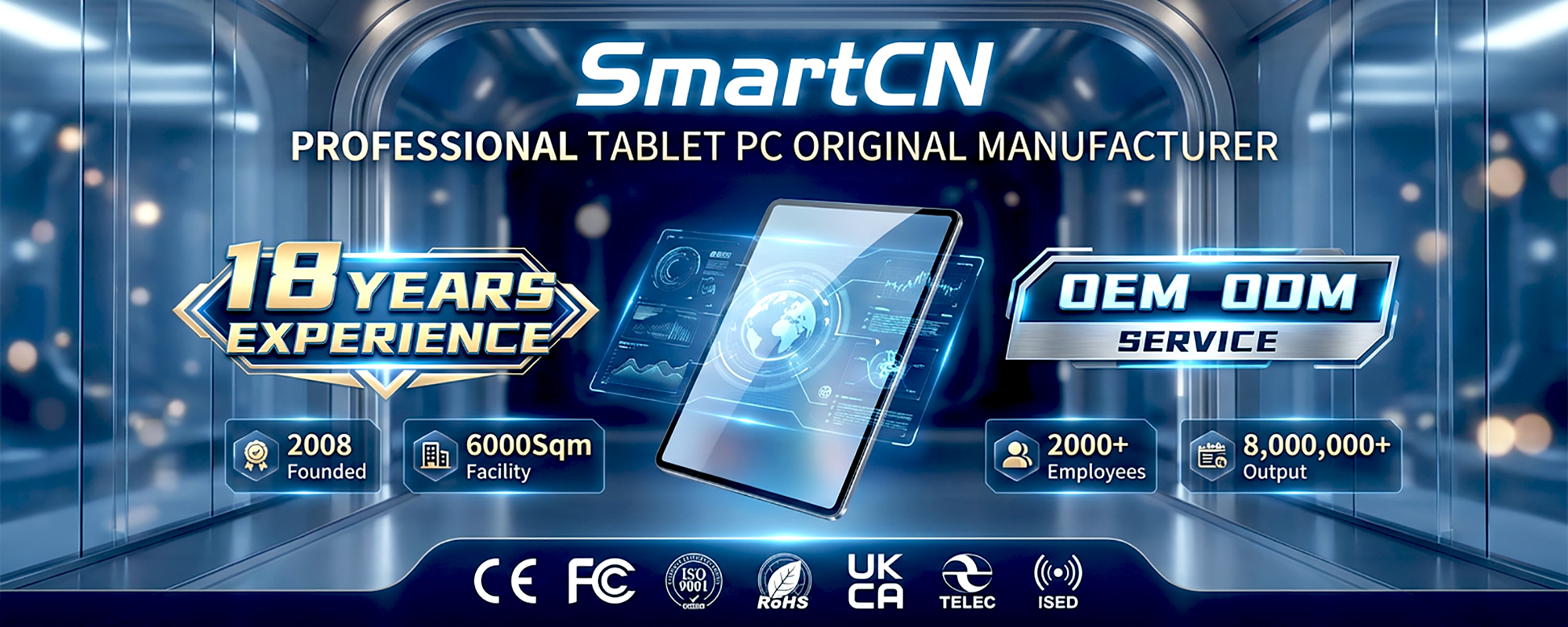
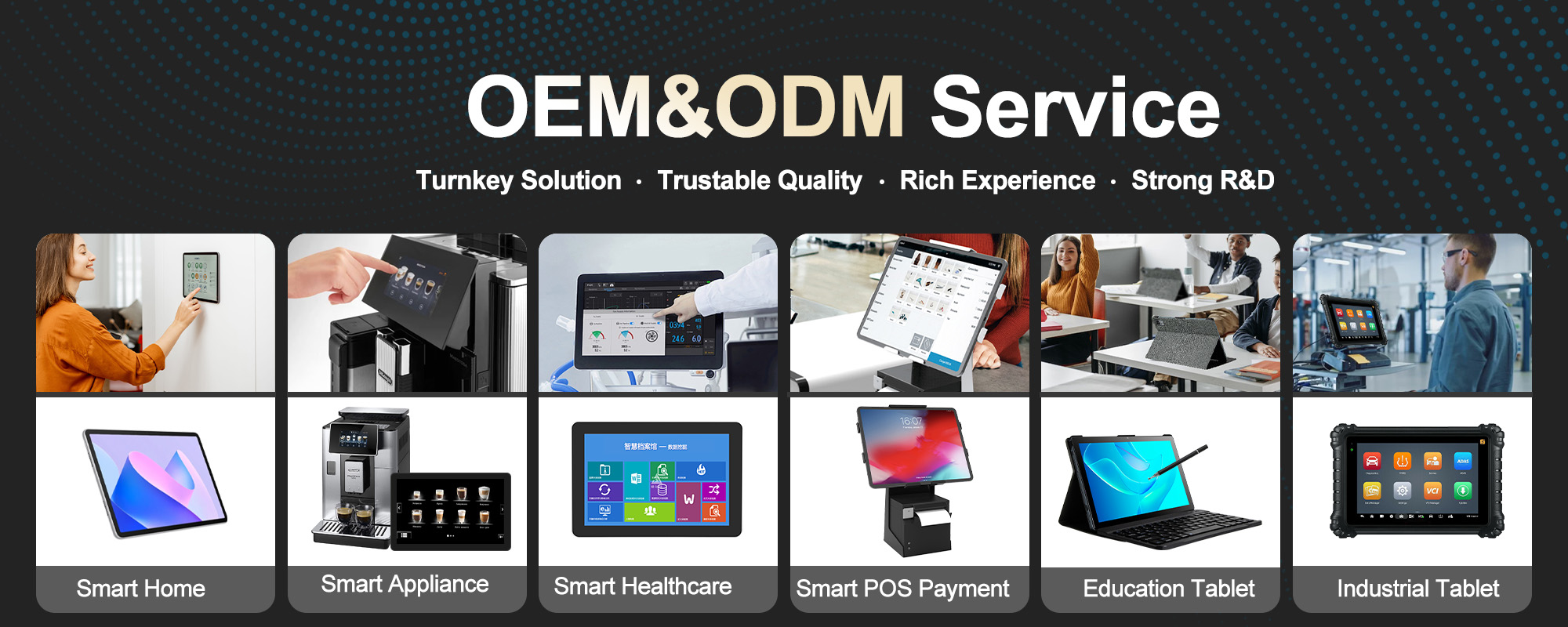
SmartCN Limited is an example of a direct factory that has positioned itself for this kind of engagement. Founded in 2008 in Shenzhen, the company has an 18-year legacy in intelligent hardware. It operates a 10,000 square meter dust-free manufacturing facility and has evolved from a specialized OEM factory into a provider of customized intelligent terminals. Its product focus is not the saturated consumer tablet market but professional and industrial-grade devices for smart homes, industrial IoT, healthcare, commercial POS, and self-service kiosks. For small businesses, the relevant point is not the size of the factory alone. The relevant point is whether the factory can translate a focused business requirement into a reliable device without forcing the business to behave like a large enterprise buyer.

Small businesses often assume that direct factory engagement is reserved for large orders. That assumption can be misleading. A capable factory can structure pilot runs, sample evaluations, and staged production for smaller projects, especially when the use case has growth potential. The key is to evaluate the factory on the criteria that matter for long-term deployment rather than on unit price alone.
Lifecycle stability: The partner should commit to a predictable supply window for project-based models. A three-to-five-year lifecycle can protect the business from forced redesigns and software re-adaptation.
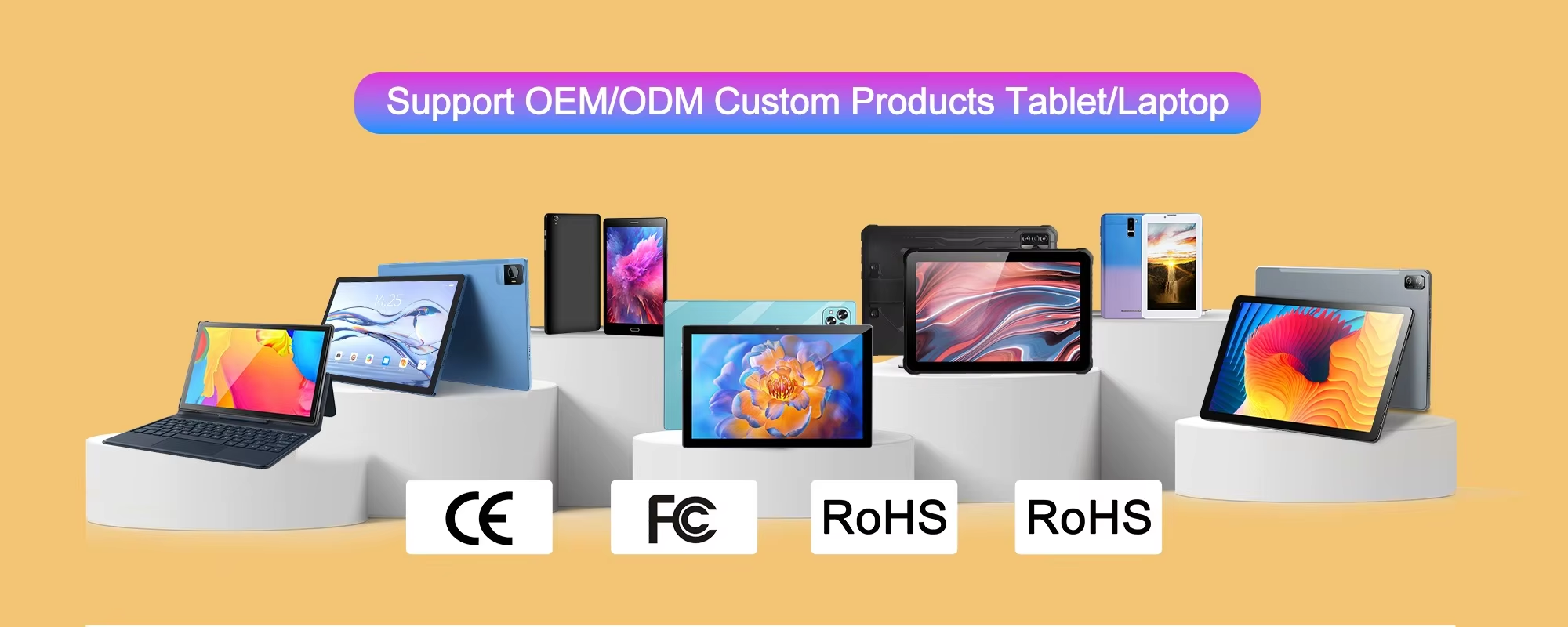
Certification coverage: Products should carry the certifications required for the target market. SmartCN products have obtained GMS, CE, FCC, RoHS, ISED, UKCA, and TELEC certifications, and the company operates under the ISO 9001:2015 quality management system.
Responsive communication: A factory that understands complex requirements must respond quickly. SmartCN maintains a 98.28 percent rapid response rate through its international sales team, which helps small businesses get clear answers without a long chain of intermediaries.
Customization depth: The partner should be able to modify firmware and hardware at a meaningful level, not only add a logo. Kernel-level Android customization can enable kiosk mode, auto-power-on, watchdog resets, hidden status bars, and restricted USB access.
Industrial connectivity: Many professional projects need PoE, native RJ45 Ethernet, RS232 or RS485 serial ports, GPIO, NFC, or scanning modules. Standard consumer tablets rarely provide these options.
Quality discipline: Manufacturing should follow recognized quality controls. SmartCN uses Acceptable Quality Level standards and ISO9001:2015 management systems across its production environment.
Consumer tablets are optimized for entertainment, portability, and retail price. Professional terminals are optimized for reliability, integration, and lifecycle. A consumer tablet may have a high-resolution screen and a fast processor, but it may lack the ports, mounting options, thermal design, or firmware controls needed for unattended operation. A professional terminal may cost more upfront, yet it can reduce installation labor, downtime, and software rework.
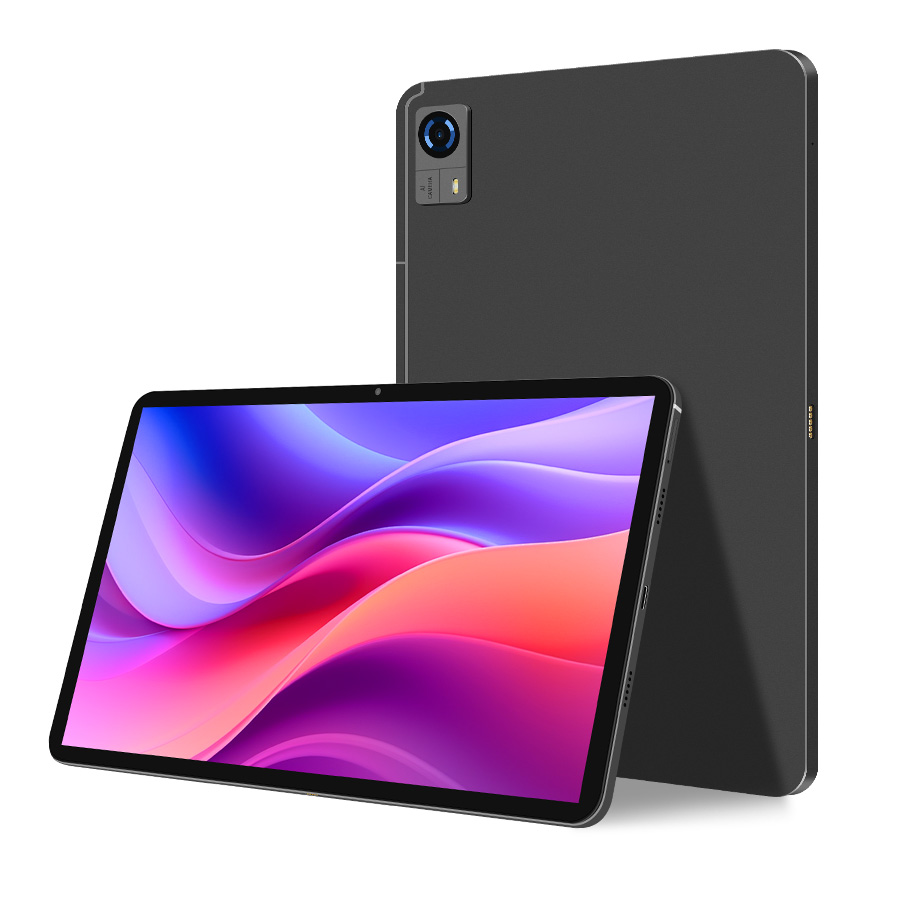
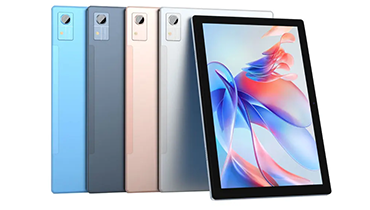
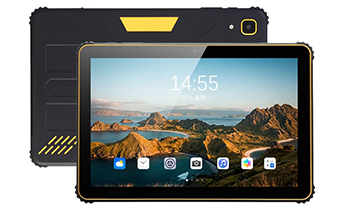
SmartCN product advantages reflect this distinction. Its 8 inch, 10.1 inch, 11 inch, and 12.3 inch tablets feature high-resolution displays up to 2.4K at 2400 by 1600 with Incell full lamination technology. The devices can use advanced octa-core chipsets such as Helio G99 or T616 and batteries up to 8000mAh. More importantly for business use, they can include PoE, native RJ45 Ethernet, RS232 or RS485 serial ports, and integrated NFC or scanning modules. Rugged models can reach IP67 protection, while healthcare terminals can use antimicrobial housings and comply with global medical electrical standards. These features are not consumer extras. They are the practical building blocks of a reliable commercial deployment.
Direct factory engagement makes the most sense when the tablet is part of a differentiated business process. A smart home integrator may need a wall-mounted control panel that receives power over a single cable and fits a luxury interior. An industrial team may need a rugged tablet that communicates with legacy PLC machines through RS232. A clinic may need a terminal with an antimicrobial housing and medical-grade compliance. A retailer may need a kiosk tablet that locks users into a branded application and hides the operating system interface. In each case, the business needs more than a generic tablet. It needs a configured terminal.
SmartCN has worked with partners in scenarios such as these. In one European smart home integration case, the requirement was a 12.3 inch control panel that could be powered through a single cable and embedded into luxury walls. SmartCN developed a PoE-enabled 12.3 inch tablet with a custom VESA mount and Android 14 firmware that supports an always-on display without battery bloating. The reported outcome was a 40 percent reduction in installation costs and zero hardware failures over an 18-month deployment. In a Southeast Asian industrial case, a smart factory needed a rugged tablet capable of communicating with legacy PLC machines via RS232. SmartCN provided an IP67-rated rugged tablet with a native RS232 port and a 1000-nit sunlight-readable screen. The reported outcome was a 25 percent increase in production uptime because the device could operate in high-vibration and dusty environments.
A small business does not need to become a large enterprise buyer to evaluate a direct factory. It needs a structured process. First, the business should define the use case in operational terms: where the device will be installed, what it must connect to, how often it will run, who will maintain it, and how long the deployment must last. Second, it should ask for evidence of engineering depth. A factory that can discuss PCBA circuit design, structural engineering, kernel-level Android customization, and certification planning is more likely to handle a non-standard request than a trading company that only resells catalog products.
Third, the business should review quality and compliance. ISO9001:2015 certification, market-specific certifications, and a clear quality control process are useful indicators. Fourth, the business should test a sample against the real workflow. A tablet that performs well on a desk may behave differently when mounted in a wall, powered continuously, exposed to dust, or locked into a kiosk application. Fifth, the business should ask about lifecycle commitments. A factory that guarantees a three-to-five-year product lifecycle for key models can protect the business from the disruption of frequent hardware changes.
SmartCN offers a relevant benchmark for this evaluation. The company has a footprint spanning more than 68 countries and seeks exclusive regional distributors with factory-direct pricing, dedicated export support, and ODM flexibility. Its R and D division covers end-to-end development from PCBA circuit design and structural engineering to kernel-level Android system customization. Its manufacturing operation includes 6,000 to 10,000 square meters of state-of-the-art facility space and six dedicated high-speed production lines, giving it the elasticity to handle pilot runs as well as larger rollouts. For a small business, these capabilities suggest a factory that can support a project as it grows rather than forcing an immediate large-volume commitment.
The direct factory model is not automatically right for every small business. A local supplier may be the better choice when the business needs a standard tablet immediately, has no customization requirement, and values local stock and simple warranty handling above engineering access. A small office that needs five tablets for email, calendars, and video meetings does not necessarily benefit from a custom Android build or industrial interfaces. In that case, a supplier can reduce friction and avoid unnecessary complexity.
A hybrid approach can also work. A business might begin with a supplier for standard devices while engaging a direct factory for a specialized pilot. Over time, if the specialized deployment proves successful, the business can consolidate around a factory partner that offers lifecycle stability and deeper customization. The important point is to avoid choosing a channel by habit. The business should choose the channel that matches the operational risk of the deployment.
Unit price is easy to compare and easy to misread. A lower quote from a supplier may include a device that is discontinued sooner, lacks the required certification, or cannot be locked down for kiosk use. Those gaps can create costs that do not appear on the purchase order. The business may need to pay for additional mounting hardware, software rework, certification testing, or replacement devices when the original model is no longer available. In a mission-critical environment, downtime can cost far more than the hardware itself.
A direct factory can reduce some of these hidden costs by aligning the hardware with the project. SmartCN, for example, assists clients with brand exclusivity through deep OEM and ODM services such as laser-engraved logos, custom-designed packaging, and branded boot animations. It also supports kiosk mode and security features that can disable status bars, navigation bars, and USB data access so the device remains focused on the intended application. Features such as auto-power-on and hardware watchdog resets support unattended operation. These details may seem technical, but they directly affect labor costs, user experience, and operational reliability.

A small business can make the supplier versus factory decision by asking a series of practical questions. Does the tablet need to connect to specialized equipment? Does it need to run unattended for long periods? Does it need to be locked into a single application? Does it need to fit a custom enclosure or wall mount? Does it need certifications for a regulated market? Will the deployment still be active in three years? If the answer to several of these questions is yes, a direct factory conversation is likely worthwhile. If the answer is no and the need is standard, a supplier may be sufficient.
The business should also examine the factory beyond its product list. A strong partner should be able to explain how it handles quality control, how it manages firmware updates, how it protects supply continuity, and how it supports export documentation. SmartCN operates under ISO9001:2015 and maintains a full suite of global certifications, including CE, FCC, RoHS, UKCA, TELEC, ISED, and UN38.3. Its international sales team supports complex project requirements with a rapid response rate of 98.28 percent. These are not marketing details. They are practical indicators of whether a factory can support a business across borders and product cycles.
Red flags include a partner that cannot explain its manufacturing process, cannot provide certification evidence, cannot discuss firmware customization, or cannot commit to a lifecycle for a project model. Another red flag is a supplier that presents itself as a factory but cannot connect the business to engineering resources. Green flags include a clear factory profile, a documented quality system, responsive technical communication, sample evaluation support, and a willingness to discuss the business case rather than only the unit price.
SmartCN positions itself around a Billion-Dollar Partner vision, which frames each client relationship as a long-term strategic alliance rather than a one-time sale. That philosophy is relevant to small businesses because it emphasizes stability and shared growth. The company does not compete in the low-margin consumer tablet market. Instead, it focuses on professional and industrial-grade intelligent terminals with high performance, high reliability, and long lifecycle hardware. For a small business with a vertical use case, that focus can be more valuable than a broad catalog of consumer devices.
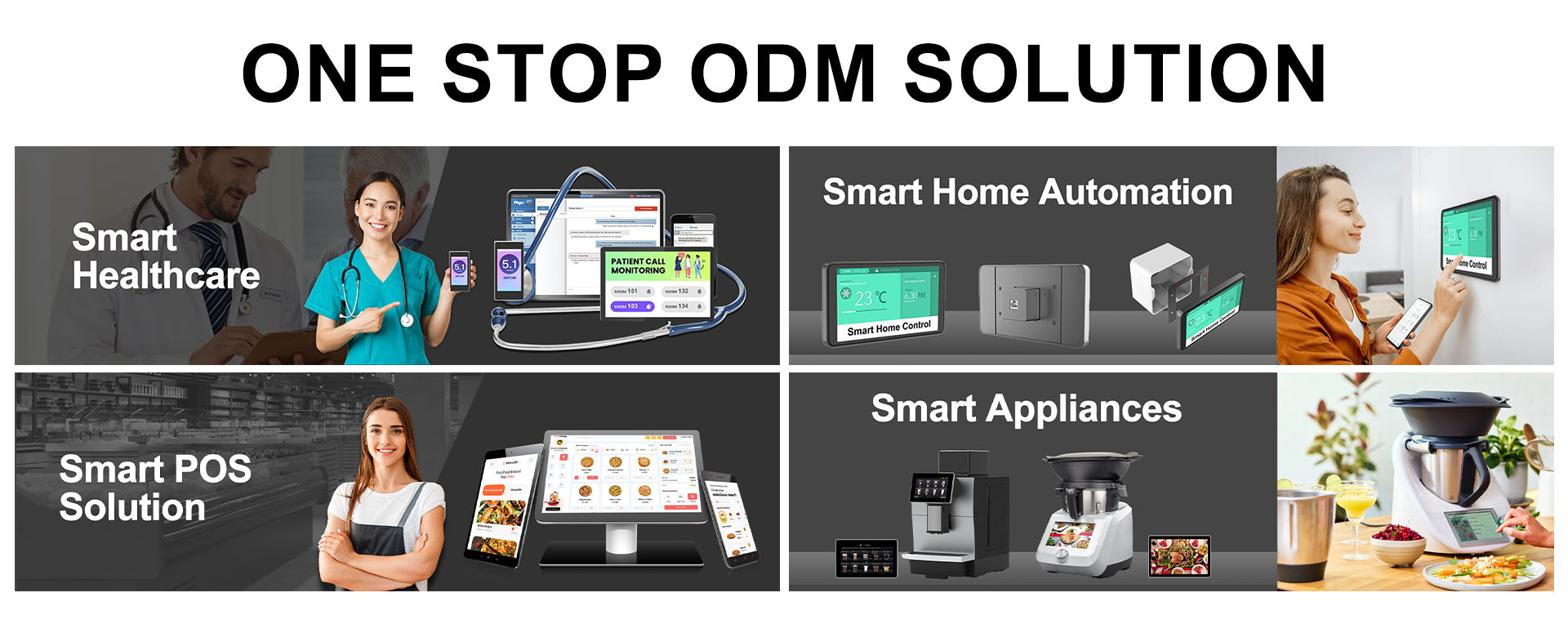
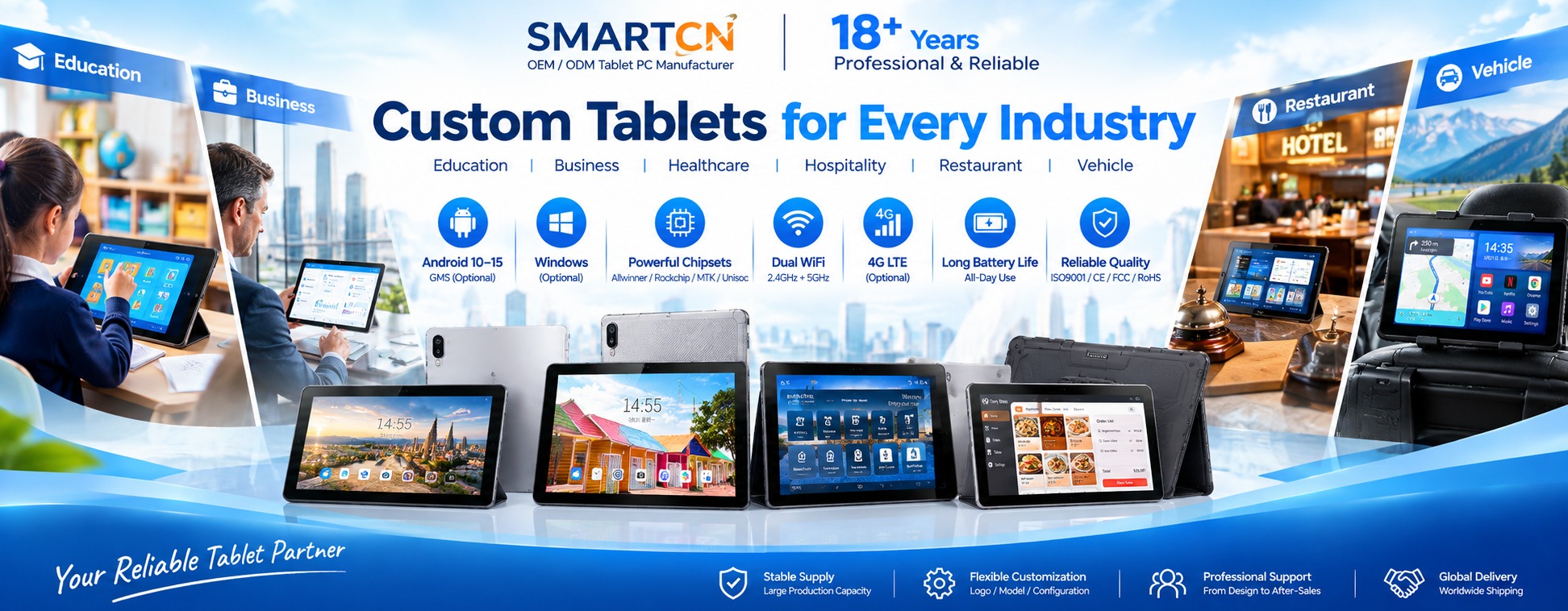
SmartCN Limited is a Shenzhen-based high-tech enterprise with an 18-year legacy in intelligent hardware. Its core business is the research, development, and manufacturing of high-end tablet PCs, with a focus on deep customization for vertical industries. Its portfolio includes smart home automation tablets from 7 inches to 14 inches with tailored UI and UX, industrial-grade IoT tablets with IP67 protection and specialized interfaces, healthcare terminals with antimicrobial housings and medical electrical compliance, and commercial POS and kiosk terminals for retail, hospitality, and self-service. This range shows how far a professional tablet can move beyond the consumer model.
The company’s engineering strength is central to its value proposition. Its engineers possess end-to-end development capabilities ranging from PCBA circuit design and structural engineering to kernel-level Android system customization. That means a client can discuss not only screen size and memory but also boot behavior, kiosk restrictions, hardware watchdog functions, and interface integration. The company’s manufacturing scale, with a 10,000 square meter dust-free facility and six high-speed production lines, supports both specialized pilot runs and larger global rollouts. Its quality management follows ISO9001:2015, and its products carry a full suite of international certifications for smooth market entry.
For small businesses, the most useful lesson from SmartCN is not that every business should place a custom factory order. The lesson is that the supplier versus factory decision should be based on the deployment. When a tablet is a generic tool, a supplier can be efficient. When a tablet is a critical terminal in a smart home, factory, clinic, or retail environment, a direct factory with engineering depth can be the stronger strategic partner. The right choice depends on the business model, the expected lifecycle, the integration requirements, and the cost of failure.
Tablet supplier or direct factory for small businesses is not a binary question with a single answer. A supplier offers convenience and speed for standard needs. A direct factory offers engineering access, customization, lifecycle stability, and potentially better total cost for specialized deployments. Small businesses should evaluate the decision through the lens of operational risk rather than unit price alone. They should ask whether the device must integrate with existing systems, whether it must run unattended, whether it must remain available for several years, and whether the partner can support the full deployment rather than only the initial order.
SmartCN Limited demonstrates how a direct factory can serve as a strategic partner for customized intelligent terminals. With its 18-year legacy, deep customization capability, industrial connectivity options, global certifications, and focus on long-lifecycle professional hardware, it provides a useful benchmark for small businesses comparing channels. The final decision should be made with clear requirements, sample testing, and a realistic view of the total cost of ownership. When that process is followed, the choice between a tablet supplier and a direct factory becomes a deliberate business decision rather than a gamble on the lowest quote.