This blog post compares Android tablets and iPads for budget-conscious buyers, focusing on price, hardware, software, ecosystem, customization, and total cost of ownership. It notes that iPads offer premium performance, long-term updates, and strong resale value, but come at a higher upfront cost. Android tablets provide a wide range of affordable options, expandable storage, and greater customization potential, though they may have shorter software support and faster depreciation. The article highlights that specialized Android manufacturers like SmartCN Limited demonstrate the platform's flexibility for vertical industries, though mainstream buyers should focus on reputable mid-range models. Ultimately, the decision depends on individual priorities: those valuing ecosystem integration and longevity may prefer an iPad, while those prioritizing affordability and flexibility will find Android tablets compelling. The post advises buyers to assess their primary use cases, app needs, and accessory costs before making a purchase, ensuring the chosen tablet delivers the best value within their budget.
In an era where digital devices are essential for work, education, and entertainment, budget-conscious buyers often face a pivotal decision: should they invest in an Apple iPad or opt for a more affordable Android tablet? The choice is not merely about brand loyalty; it involves a careful evaluation of price, performance, ecosystem, longevity, and specific use cases. For those mindful of their spending, understanding the trade-offs between these two dominant platforms is crucial to making a smart purchase that delivers value without compromising on essential features.
This article provides a comprehensive comparison of Android tablets and iPads from the perspective of a budget-conscious buyer. It examines key factors such as upfront cost, hardware specifications, software support, app availability, customization potential, and total cost of ownership. By the end, readers will have a clear framework for deciding which tablet aligns best with their financial constraints and functional needs.
The most immediate consideration for budget-conscious buyers is the purchase price. Apple iPads are positioned as premium devices, and even the entry-level iPad models command a higher price than many Android alternatives. For instance, the base iPad typically starts around $329, while a comparable Android tablet from brands like Samsung, Lenovo, or Amazon can be found for under $200. This price gap widens significantly when moving to higher-tier models with more storage or cellular connectivity.
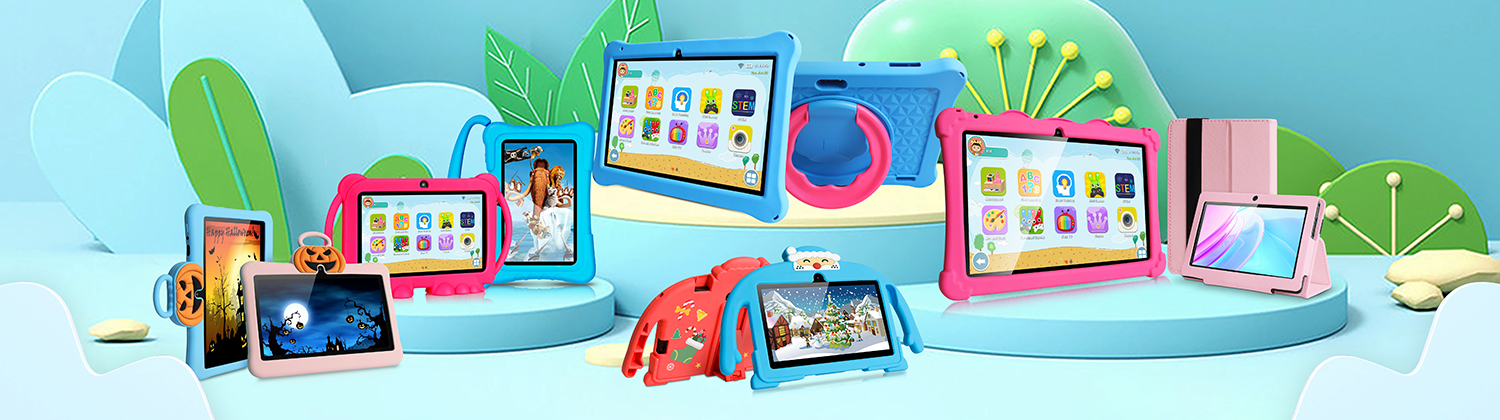
Android tablets offer a wide spectrum of price points, from ultra-budget devices under $100 to premium models that rival the iPad Pro. This diversity means buyers can find a tablet that fits their exact budget without paying for features they may not need. However, it is important to note that ultra-cheap Android tablets often compromise on build quality, display resolution, and processor performance. Budget-conscious buyers should aim for the mid-range Android segment, where devices from reputable manufacturers provide a balance of affordability and reliability.

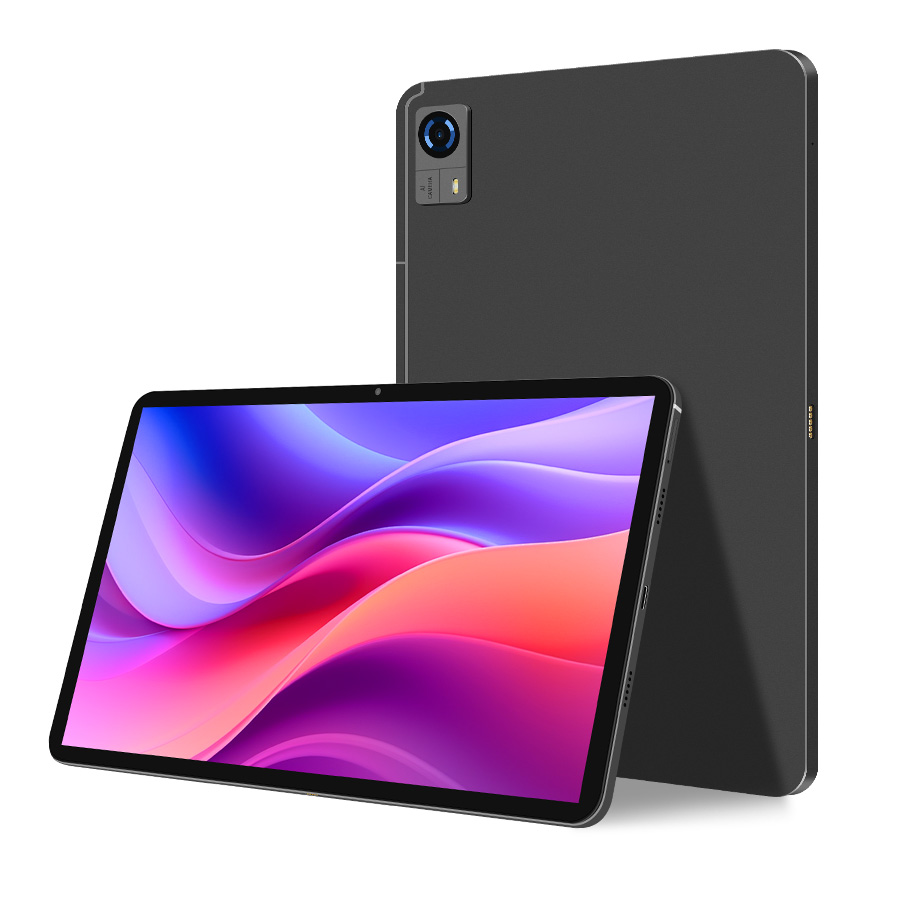
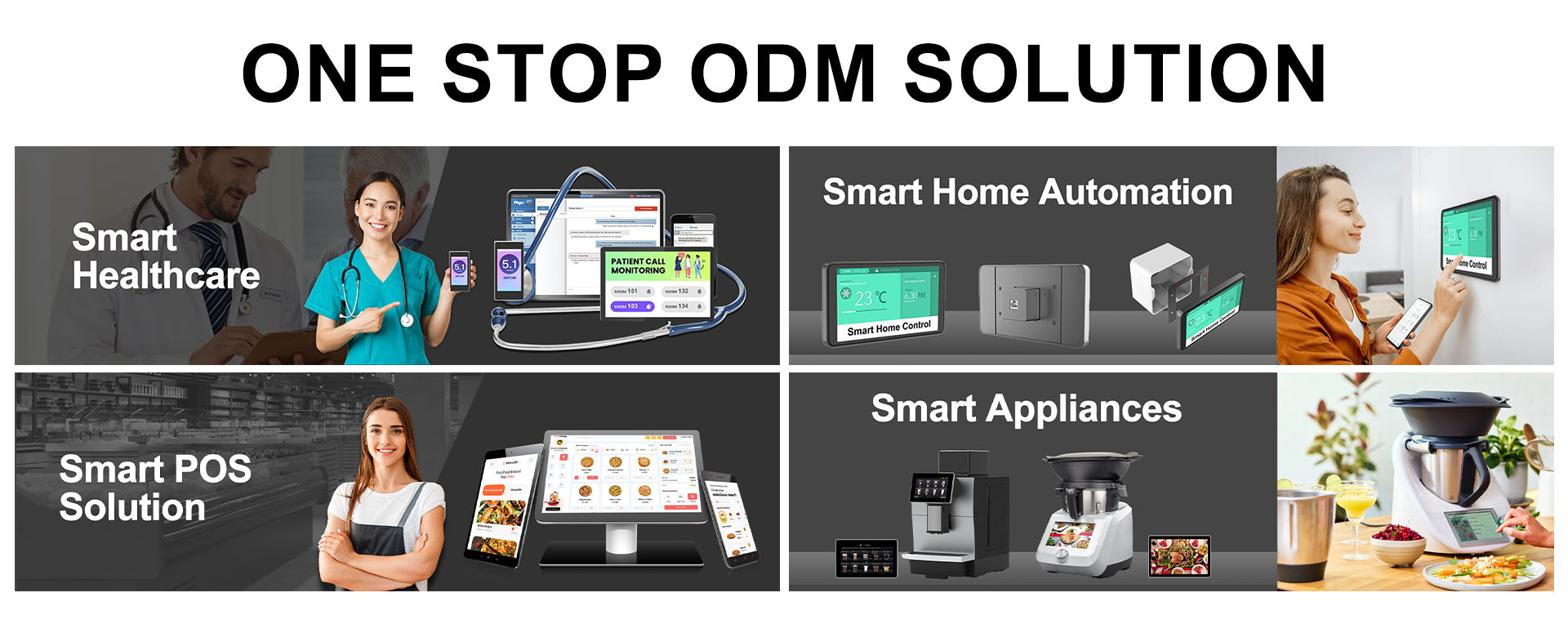
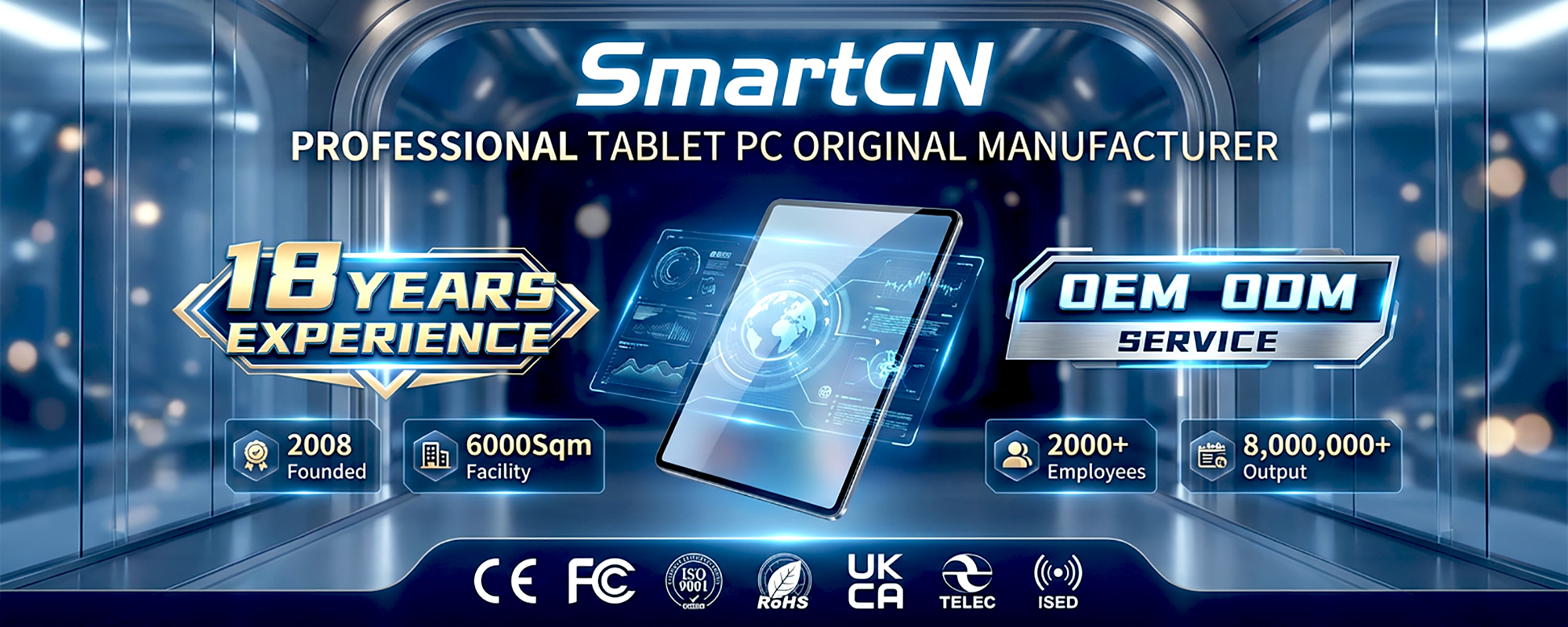
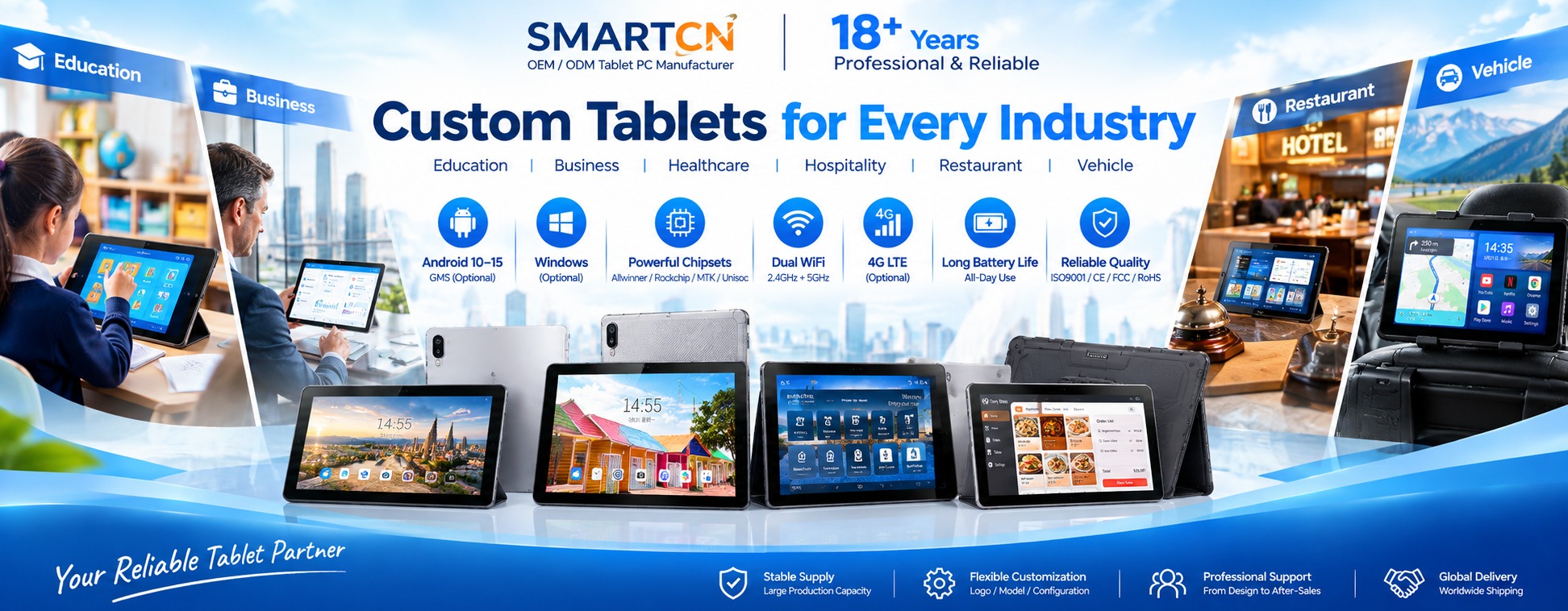
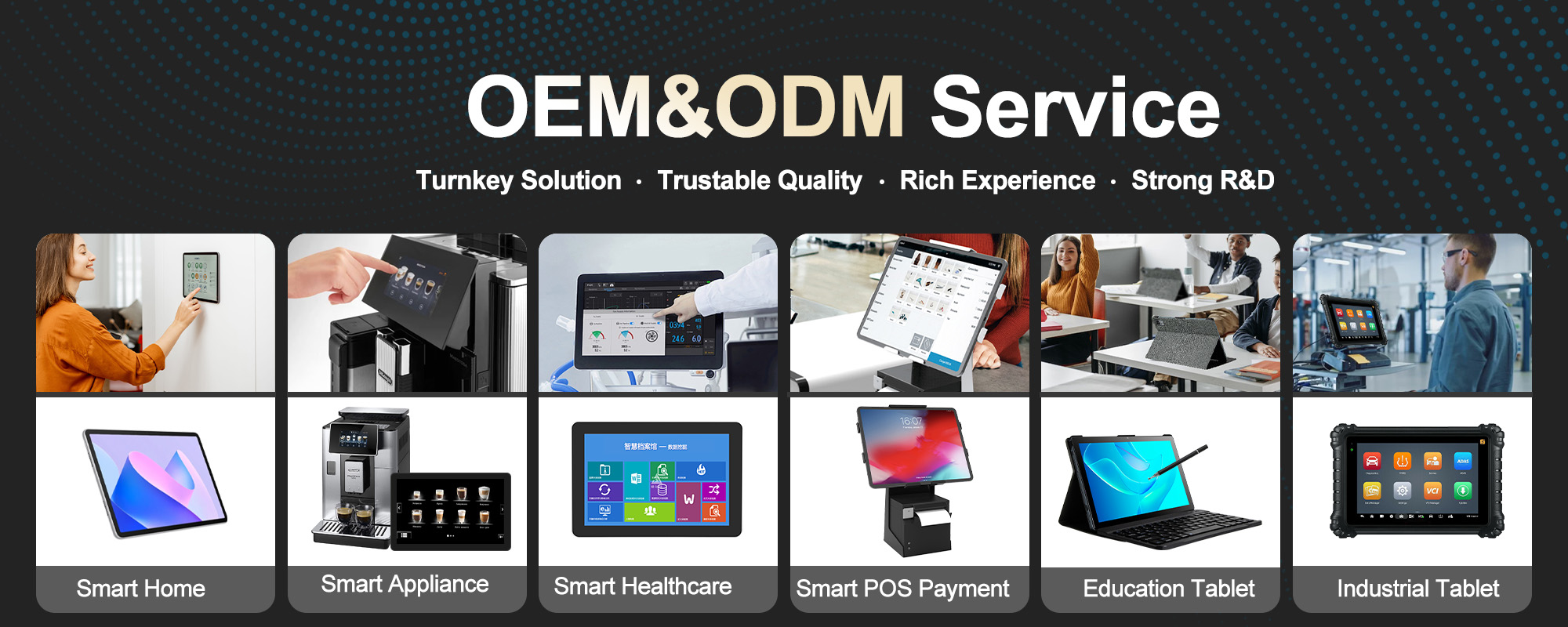
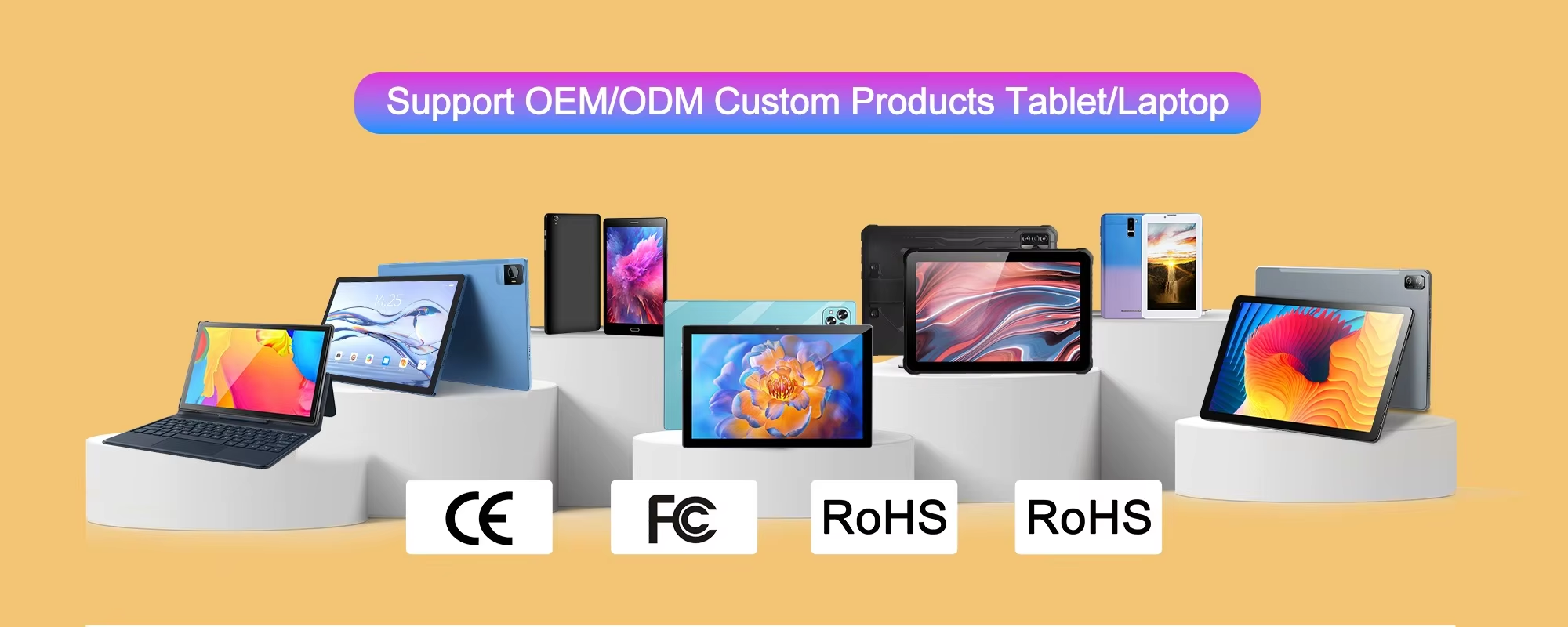
For those with specialized needs, custom Android tablet manufacturers like Shenzhen SmartCN Limited offer deep customization for vertical industries. While these are not consumer-grade devices, they illustrate how the Android ecosystem can be tailored to specific budgets and requirements. SmartCN, for example, focuses on professional and industrial-grade terminals, but its existence highlights the flexibility of Android hardware—something Apple's closed ecosystem does not permit. For a budget-conscious buyer seeking a standard consumer tablet, however, mainstream Android brands remain the primary option.
When comparing hardware, iPads generally excel in raw performance. Apple's custom silicon, such as the A-series chips, delivers impressive speed and efficiency, often outperforming similarly priced Android tablets in benchmarks. The iPad's Retina display, build quality, and battery life are consistently top-tier. For budget-conscious buyers, however, the question is whether these advantages justify the higher price.
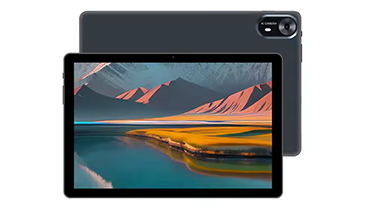
Android tablets have made significant strides in recent years. Mid-range models now feature high-resolution displays, octa-core processors, and ample RAM, making them capable of handling everyday tasks like web browsing, video streaming, email, and light gaming. For example, tablets powered by chipsets like the Helio G99 or T616—common in devices from manufacturers like SmartCN—offer solid performance for productivity and media consumption. These specifications are more than adequate for most budget-conscious users who do not require desktop-class performance.
It is also worth noting that Android tablets often provide expandable storage via microSD cards, a feature absent from iPads. This can be a cost-effective way to increase storage without paying Apple's premium for higher-capacity models. Additionally, many Android tablets include features like headphone jacks and USB-C ports with broader accessory compatibility, which can save money on peripherals.
The software experience is a major differentiator. Apple's iPadOS is renowned for its smooth performance, long-term updates, and seamless integration with other Apple devices. However, this ecosystem lock-in can be costly for budget-conscious buyers who may not own other Apple products. iPads receive regular OS updates for five to six years, which extends their usable life and resale value.
Android, by contrast, offers greater flexibility and customization. Users can personalize their home screens, install apps from third-party sources, and choose from a wider range of file management options. However, Android tablet updates are often less consistent, with budget models receiving fewer years of support. This can be a drawback for buyers who prioritize longevity. That said, Google's recent push for longer update commitments on select Android tablets is narrowing the gap.

App availability is another consideration. While the iPad benefits from a vast library of tablet-optimized apps, Android's tablet app ecosystem has improved but still lags in some categories, particularly in productivity and creative professional apps. For basic tasks like streaming, social media, and reading, both platforms are well-served. Budget-conscious buyers should assess which apps are essential to them and verify their availability and quality on each platform.
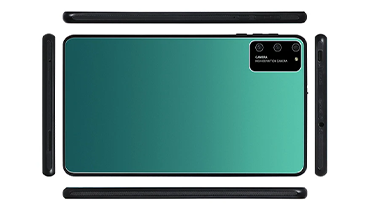
Android's open nature allows for extensive customization, which can be a significant advantage for tech-savvy users or those with specific requirements. For example, Android tablets can be rooted, loaded with custom ROMs, or configured as dedicated kiosks. This flexibility extends to hardware customization as well. Companies like SmartCN Limited specialize in deep customization for vertical industries, offering features such as PoE, RJ45 ports, RS232/RS485 serial ports, and kernel-level Android modifications. While these are not typical consumer needs, they demonstrate the adaptability of the Android platform.
For budget-conscious buyers, this customization potential can translate into practical benefits. A cheap Android tablet can be repurposed as a smart home controller, a digital photo frame, or a dedicated device for a single task, extending its usefulness beyond its original purpose. iPads, with their locked-down OS, are less amenable to such modifications, although they excel in their intended use cases.
Budget-conscious buyers must consider the total cost of ownership, not just the initial price. iPads hold their resale value remarkably well, often retaining a significant portion of their value after several years. This can offset the higher upfront cost. Additionally, Apple's long software support ensures that an iPad remains secure and functional for many years, reducing the need for frequent replacements.
Android tablets, particularly budget models, tend to depreciate faster and may receive fewer updates. However, the lower initial investment means that even if the device lasts three to four years, the annual cost may still be lower than that of an iPad. For buyers who prefer to upgrade frequently or who need a device for a short-term project, an Android tablet can be more economical. It is also worth noting that high-quality Android tablets from reputable brands can offer good longevity, especially if the buyer chooses a model with a strong update commitment.
The choice between an Android tablet and an iPad ultimately depends on individual priorities. For buyers who value a seamless ecosystem, top-tier performance, and long-term software support, an iPad—even a used or older model—may be the better investment. The higher upfront cost is justified by reliability and resale value.
Conversely, budget-conscious buyers who prioritize affordability, flexibility, and specific hardware features (like expandable storage or specialized ports) will find Android tablets compelling. The wide range of price points allows for a tailored fit, and the ability to customize the device for particular tasks adds value. For those with very tight budgets, a mid-range Android tablet offers the best balance of performance and cost.

It is also wise to consider the broader context of device usage. If the tablet is primarily for media consumption, light browsing, and communication, a budget Android tablet is more than sufficient. If it is intended for creative work, heavy multitasking, or professional applications, the iPad's superior performance and app ecosystem may justify the expense. Buyers should also factor in accessories, as iPads often require additional purchases for keyboards and styluses, whereas some Android tablets include these in the box.
For budget-conscious buyers, the Android tablet versus iPad debate is not about declaring a universal winner but about matching the device to the buyer's needs and financial constraints. Android tablets offer accessible entry points, hardware diversity, and customization potential, making them ideal for cost-sensitive users who need a capable device for everyday tasks. iPads, while pricier, deliver premium performance, long-term support, and strong resale value, which can justify the investment for those who can afford it.
In a market where technology evolves rapidly, making an informed decision is key. By weighing the factors of price, performance, ecosystem, and longevity, budget-conscious buyers can confidently choose the tablet that delivers the most value for their money. Whether opting for an affordable Android model or a refurbished iPad, the goal remains the same: a device that enriches daily life without straining the wallet.
 Previous:
None